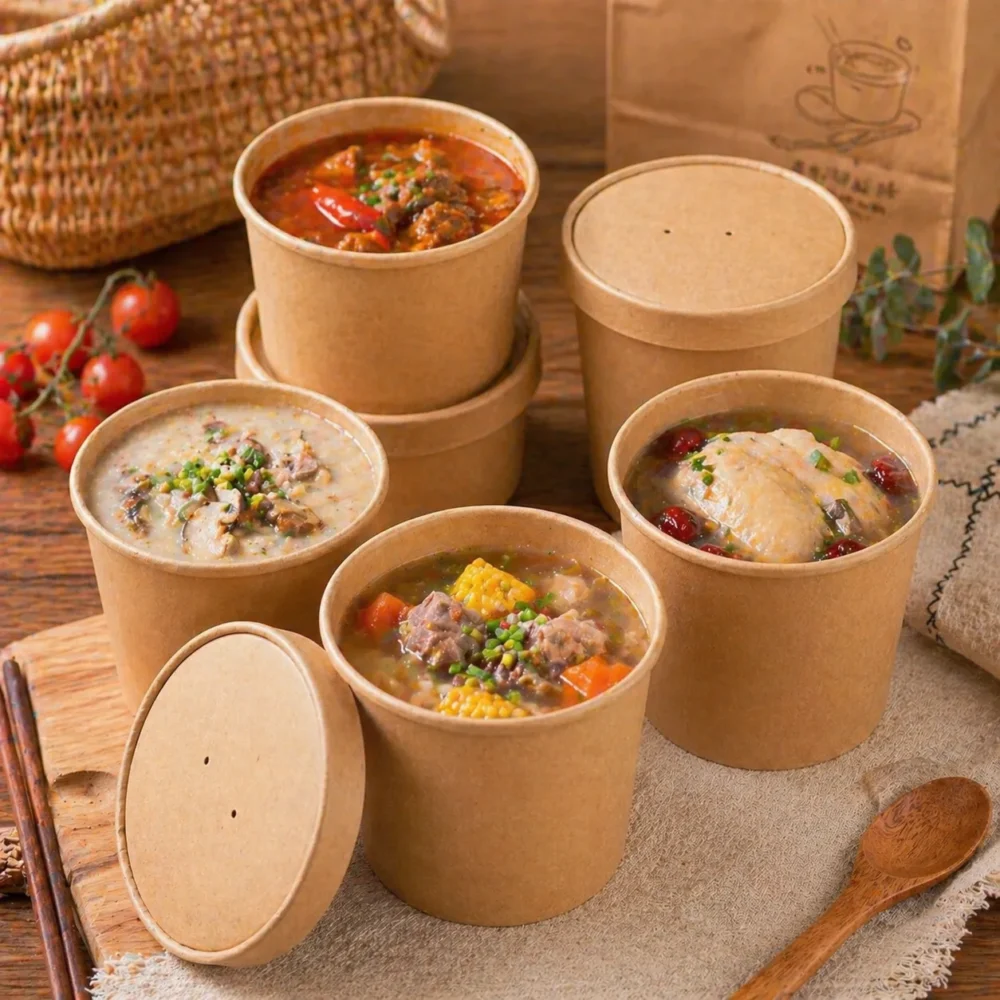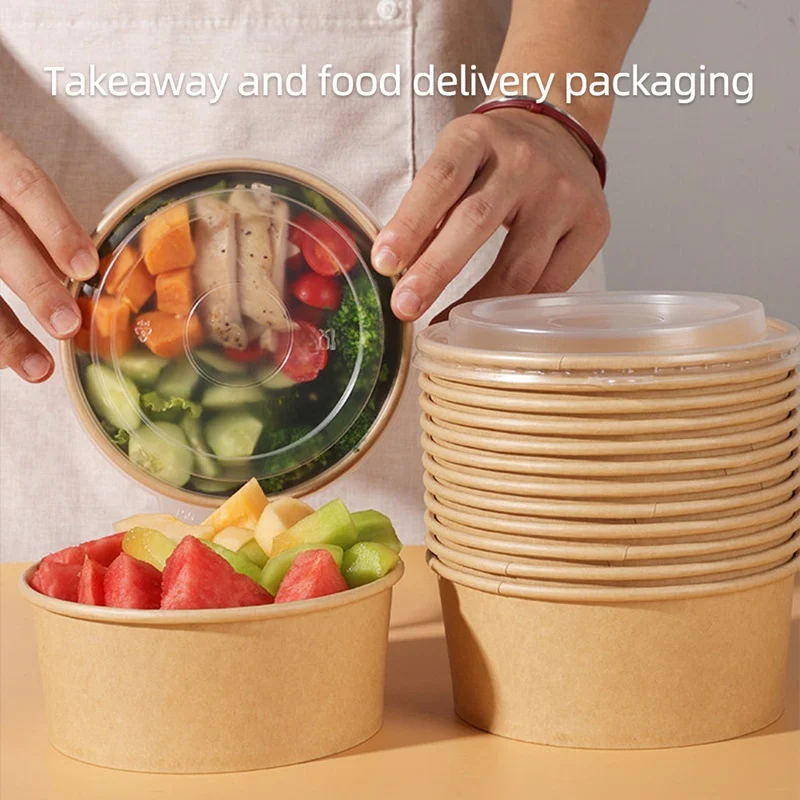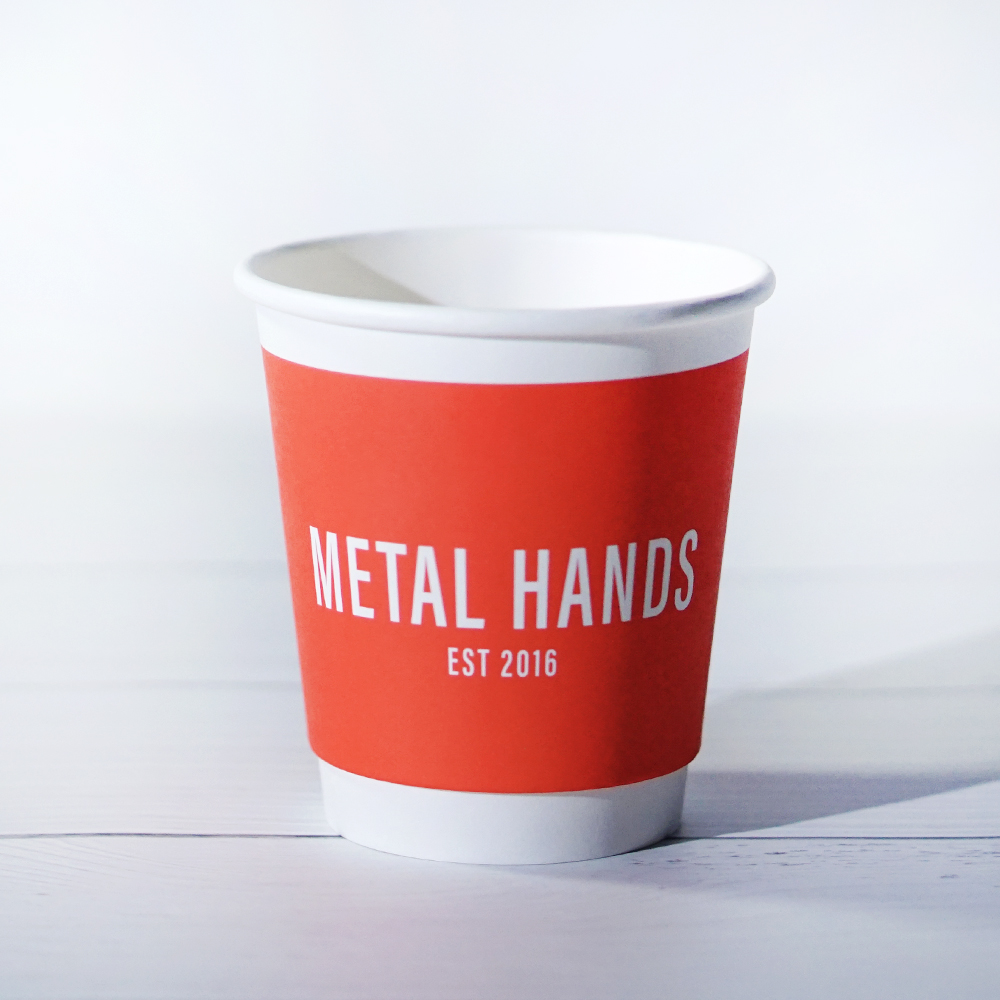

Short answer: PE is the proven, cost-effective standard for hot and cold paper cups. PLA is the plant-based option chosen by eco-positioned brands. Water-based coatings are the emerging plastic-reduction alternative. The right choice depends on your application (hot soup, iced drinks, frozen desserts), your brand positioning, and your market’s food-contact requirements.
What the Coating Does
Paperboard alone cannot hold liquid. The inner coating is a thin barrier layer that resists moisture, grease, and temperature — it is what makes a paper bowl survive hot soup delivery or a cup survive a sweating iced coffee. Every paper cup and bowl you buy has one; the question is only which type.
PE Coating: The Industry Standard
- Performance: excellent moisture and grease barrier, reliable heat-sealing, long track record across hot and cold applications.
- Cost: the most economical option at scale.
- Best for: mainstream foodservice programs where reliability and cost matter most.
PLA Coating: The Plant-Based Option
- What it is: a bioplastic derived from plant starch (typically corn), used as the barrier layer instead of petroleum-based PE.
- Positioning: chosen by brands marketing a plant-based or reduced-petroleum-plastic story.
- Considerations: confirm heat resistance against your actual serving temperature — PLA behaves differently from PE with very hot fills. Test with your product before committing to bulk.
Water-Based Coating: The Emerging Alternative
- What it is: a water-dispersed barrier coating applied without a laminated plastic film.
- Positioning: chosen by brands pursuing plastic-reduction goals and responding to single-use-plastic regulations.
- Considerations: performance varies by formulation and application — validate grease and moisture resistance with your actual food and hold times.
How to Choose: 4 Questions
- What are you serving, and how hot? Hot soup, iced drinks, and frozen desserts stress the coating differently.
- How long must it hold? Dine-in minutes vs. 45-minute delivery are different engineering problems.
- What does your market require? Food-contact regulations and plastic directives differ by region — the coating must comply where you sell.
- What is your brand story? If sustainability positioning matters, PLA or water-based may justify the premium.
What to Ask Your Supplier
- Which coatings do you run in-house, and on which products?
- Can you recommend a coating for my specific application (product, temperature, hold time)?
- Will you test the coating with my actual use case before bulk production?
- What food-contact compliance applies in my market, and how do you document it?
We offer all three — PE, PLA, and water-based — and recommend based on your application rather than pushing one option.
Related reading: Paper Cup Buying Guide: Single-Wall vs Double-Wall vs Cold Drink Cups
FAQ
Is PLA coating compostable?
PLA’s end-of-life story depends on local collection and industrial composting infrastructure, which varies widely. Ask about certified compostability claims carefully — and check what facilities actually exist in your market.
Does the coating affect print quality?
The coating is on the inside; printing is on the outside. They are independent choices — you can pair any coating with custom logo or full-wrap artwork.
Can I get samples in different coatings to compare?
Yes — and you should. Samples are normally ready 7 days after artwork confirmation. Test each coating with your actual product and hold time before choosing.
Not sure which coating fits? Contact us — describe your application and we will recommend a setup.