

Short answer: Verify in layers — paperwork (business license, certificates), factory (video audit or third-party inspection), product (samples tested with your actual food), and commercial consistency (MOQ, lead time, and pricing that line up with real manufacturing). Any supplier worth your order will survive all four.
The 7-Step Verification Checklist
1. Check the business license
Ask for the 营业执照 (business license) and confirm the registered scope includes manufacturing — not just trading. A trading company can still be a fine partner, but you should know which one you’re dealing with, because it changes who controls quality and lead times.
2. Verify factory claims with evidence
“Own factory” is the most inflated claim in the industry. Ask for:
- A live video walkthrough of the production floor (not a montage)
- The factory address, then cross-check it against their certifications
- Photos or video of the actual machines — forming machines, printing presses, die-cutting
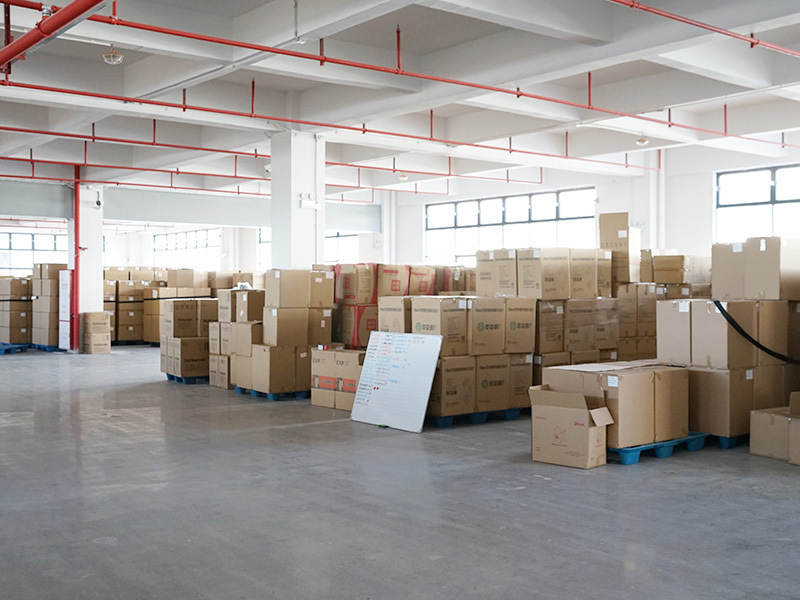
A 5,000㎡ plant with in-house printing and forming looks very different from a rented workshop. You can tell in a 10-minute video call.
3. Run a real sample test
Samples are the cheapest due diligence you’ll ever buy. A serious supplier ships samples in about 7 days. When they arrive:
- Fill them with your hottest, greasiest menu item
- Let them sit for your full delivery/holding window
- Check for leaks, softening, ink odor, and lid fit
What you approve at sample stage is what bulk production should match — get that in writing.
4. Cross-check certifications
Ask for the full certificate documents (not logos), then verify scope, dates, and issuing body. Our certifications guide walks through exactly how to read them. Certificates should name the factory address from step 2.
5. Test commercial consistency
Real manufacturers give answers that line up with physics:
- MOQ around 30,000 pcs for custom printed runs is normal — the setup cost of plates and press time has to go somewhere. An MOQ of 500 pcs for full-custom printing should make you suspicious, not happy.
- Lead time of about 30 days for bulk production after sample approval is standard. “Ships tomorrow” for a custom job means it’s not actually custom.
- Pricing that’s 40% below every other quote usually means thinner board, skipped QC, or a middleman cutting corners you’ll discover later.
6. Ask for verifiable references
Ask which markets they ship to and whether they can share (anonymized) examples of similar work — same product type, similar volumes. You’re not looking for brand names; you’re looking for relevance. A supplier whose core business is paper bags will not be great at leak-proof soup bowls.
7. Use protected payment terms
For first orders, use terms that protect you — a deposit with balance against bill of lading, or a trade assurance–style mechanism. Suppliers who insist on 100% upfront from a new overseas buyer are telling you something about how they expect the relationship to go.
Red Flags That Should Stop You
- No factory address shared, or the address doesn’t match their certificates
- Stock photos presented as their facility (reverse-image search takes 30 seconds)
- Vague answers on coatings, board weight, or food-contact compliance — a manufacturer knows these numbers cold
- Pressure tactics — “price goes up tomorrow,” “only one slot left this month”
- No written specs — if the board weight, coating, print colors, and tolerances aren’t in the contract, they don’t exist
What a Good Supplier Looks Like
Flip the checklist around: the supplier you want volunteers the license, offers the video tour before you ask, specifies the coating for your menu item rather than saying “ours works for everything,” and puts specs in the contract. Verification shouldn’t feel like an interrogation — with the right partner, it feels like a technical discussion.
FAQ
Should I visit the factory in person?
If your annual volume justifies it, yes — nothing replaces walking the floor. If not, a live video audit plus third-party inspection at shipment covers most of the risk at a fraction of the cost.
How long does verification take?
Paperwork checks: a day. Video audit: schedule within a week. Samples: about 7 days plus your testing time. You can complete the full loop in 2–3 weeks without slowing down your sourcing timeline.
Is a trading company always worse than a factory?
Not always — good trading companies add value in consolidation and QC. But know what you’re paying for, verify their QC process (not just the factory’s), and expect less control over lead times and specs.
What documents should be in the final contract?
Product specs (board, coating, size, print), tolerances, compliance claims, inspection terms, and remedies for out-of-spec shipments. Verbal promises don’t survive a dispute.
Want a supplier you don’t have to verify twice? Get a free quote — send your specs and we’ll answer every question on this checklist upfront. Start with how to choose a paper bowl manufacturer, check MOQ basics, or use our quote preparation checklist.